Professional tree service plays a crucial role in ensuring safe and efficient tree removal, especially when trees pose risks to property or personal safety. Tree removal is a complex task that requires specialized knowledge, equipment, and experience to handle properly. Attempting to remove a tree without professional assistance can lead to accidents, property damage, or injury due to the unpredictable nature of falling branches and heavy trunks. Certified arborists and trained tree care professionals assess each situation carefully before proceeding with removal, taking into account factors such as tree health, location, size, and surrounding structures.
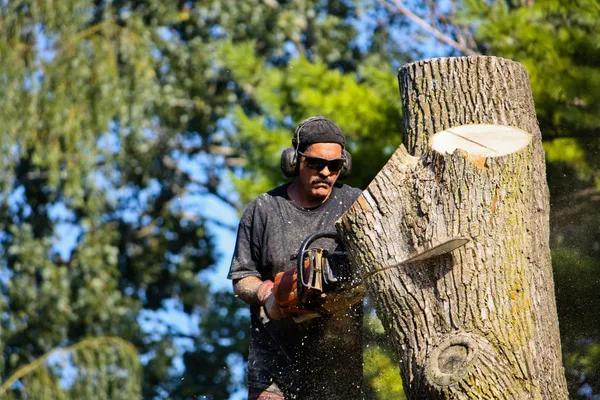
One of the primary benefits of hiring professional tree services is their ability to evaluate whether removal is necessary or if alternative treatments like pruning or disease management could preserve the local tree removal specialists is deemed essential, experts use advanced techniques tailored to minimize disruption and hazards. They employ specialized tools such as chainsaws, cranes, ropes, and rigging systems designed for precision cutting and controlled lowering of large limbs or trunks. This approach reduces the risk of damage not only to nearby buildings but also underground utilities such as water pipes or electrical lines.
Tree Service in Shelton
Safety protocols are rigorously followed throughout the process by professionals who understand how quickly situations can become dangerous during tree felling operations. Workers wear protective gear including helmets, gloves, eye protection, and harnesses while maintaining clear communication on-site through radios or hand signals. These measures help prevent accidents involving both workers and bystanders in residential neighborhoods or commercial areas where foot traffic may be significant.
In addition to safety considerations during physical work stages, professional companies also handle logistical aspects efficiently. They manage permits required by local authorities when removing certain protected species or trees within regulated zones. Furthermore, they offer cleanup services after removal is complete-disposing of wood debris responsibly through recycling programs or converting it into mulch for landscaping purposes.
The expertise offered by professional tree service providers extends beyond simple cutting tasks; they often provide consultation on landscape planning related to trees’ growth patterns and soil conditions which influences future planting decisions around homes or businesses. This holistic approach ensures long-term health for remaining vegetation while maintaining aesthetic appeal.
Ultimately, relying on experienced professionals guarantees that every step involved in removing a hazardous tree-from initial inspection through final debris clearing-is handled competently with attention to safety standards and environmental responsibility. Engaging qualified arborists protects investments in property infrastructure while promoting community well-being by preventing potential hazards associated with unstable trees left unattended. For anyone facing challenging situations involving unwanted or dangerous trees on their premises seeking peace of mind should consider expert intervention rather than attempting risky DIY methods that could result in costly consequences later on.
Carlson Tree Care, LLC
Shelton, WA 98584
360-490-7001