
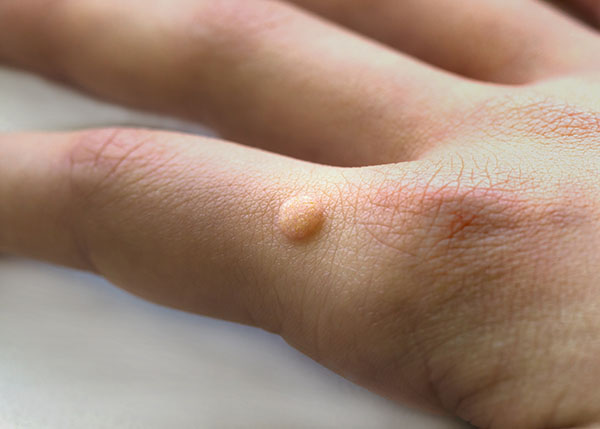
Mole removal is a common dermatological procedure that many individuals undergo for either cosmetic reasons or medical necessity. Once the mole is removed, ensuring a fast and effective recovery becomes crucial to minimize discomfort, prevent infection, and reduce scarring.
The first step towards a quick recovery post-mole removal is adhering to the aftercare instructions provided by your healthcare provider. These guidelines are tailored to your specific treatment method—whether it was surgical excision, laser therapy, or cryotherapy—and are designed to promote healing while minimizing complications.
Keeping the wound clean and dry is paramount in the initial stages of recovery. Gently washing the area with mild soap and water helps remove any debris or bacteria that could lead to infection. After cleaning, patting the area dry with a soft towel ensures no moisture lingers on the skin surface.
Applying an antibiotic ointment as recommended can further protect against infections while also keeping the wound moist—a condition conducive to faster healing. Covering the treated area with a sterile bandage shields it from dirt and friction caused by clothing or other external factors.
Pain management may be necessary during recovery, especially if you experience discomfort following more invasive procedures like surgical excision. Over-the-counter pain relievers such as ibuprofen or acetaminophen can alleviate minor pain and swelling effectively. However, consulting your doctor before taking any medication ensures compatibility with your overall health plan.
Monitoring for signs of infection is another critical aspect of fast recovery. Redness extending beyond the immediate treatment area, increased swelling, pus discharge, or fever may indicate an infection requiring prompt medical attention.
Reducing scar formation often concerns those undergoing mole removal for aesthetic purposes. Applying silicone gel sheets or creams specifically formulated for scar reduction can significantly improve outcomes when used consistently over several weeks post-procedure.
Incorporating vitamin-rich foods into your diet supports skin regeneration from within; vitamins A and C are particularly beneficial in promoting collagen production essential for healthy skin repair. Staying hydrated also facilitates cellular functions vital during healing processes.