As energy costs continue to rise, homeowners are increasingly seeking ways to cut down on their utility bills. One effective strategy is ensuring that your HVAC system operates at peak efficiency, which can be achieved through regular maintenance checkups. Conducting twice-a-year inspections of your heating, ventilation, and air conditioning (HVAC) system not only prolongs its lifespan but also significantly reduces energy consumption, leading to lower energy bills.
HVAC systems are among the largest consumers of energy in a home. When these systems operate inefficiently due to neglect or wear and tear, they consume more power than necessary. Regular maintenance helps identify potential issues before they escalate into major problems that could lead click to explore costly repairs or replacements. By scheduling bi-annual checkups—typically in the spring and fall—you ensure your system is ready for both the cooling demands of summer and the heating needs of winter.
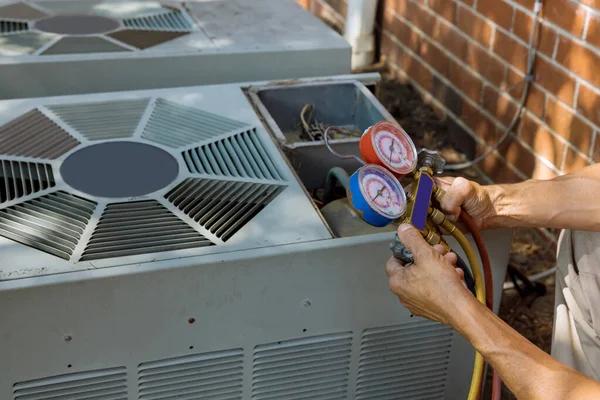
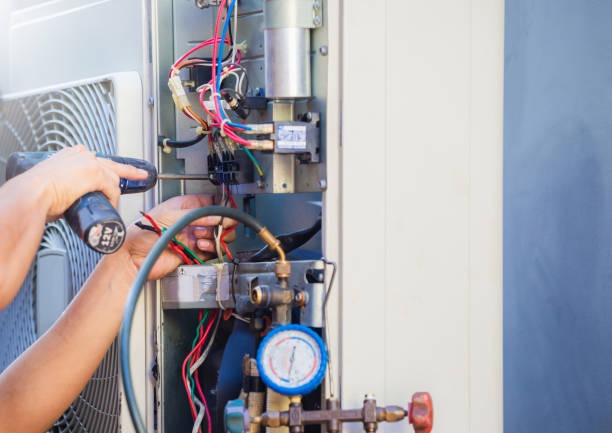
During these routine inspections, a qualified technician will perform several key tasks designed to optimize performance and efficiency. This includes cleaning or replacing air filters, checking for leaks in ductwork, inspecting electrical connections, lubricating moving parts, and calibrating thermostats. Each of these steps plays a critical role in maintaining an efficient HVAC system.
Clean air filters are essential as clogged ones force the system to work harder than necessary, increasing energy use by up to 15%. Similarly, ductwork leaks can result in significant loss of heated or cooled air before it reaches its destination within your home. Proper sealing ensures that conditioned air stays inside where it belongs.
Moreover, electrical components must be checked for safety reasons as well as efficiency; faulty wiring can cause circuits to overheat or even fail completely. Lubrication reduces friction between moving parts such as motors and fans—this not only conserves energy but also minimizes wear on components.
Thermostat calibration ensures accurate temperature control so that your HVAC system isn’t running longer than needed—a common issue when thermostats are out-of-sync with actual room temperatures.
In addition to reducing monthly utility expenses through improved efficiency, regular HVAC checkups contribute positively towards environmental conservation efforts by lowering overall household carbon footprints due to reduced fossil fuel consumption required for electricity generation.
Investing time twice annually into professional HVAC maintenance may seem like an added expense initially; however considering long-term savings from decreased repair costs alongside lowered monthly bills makes this practice financially prudent while enhancing comfort levels within homes year-round.
Ultimately adopting this proactive approach provides peace-of-mind knowing you’re maximizing both economic value from one’s investment into their residential infrastructure along with contributing positively toward broader sustainability goals globally too!